9 Best Coin Valuation Apps for Beginners
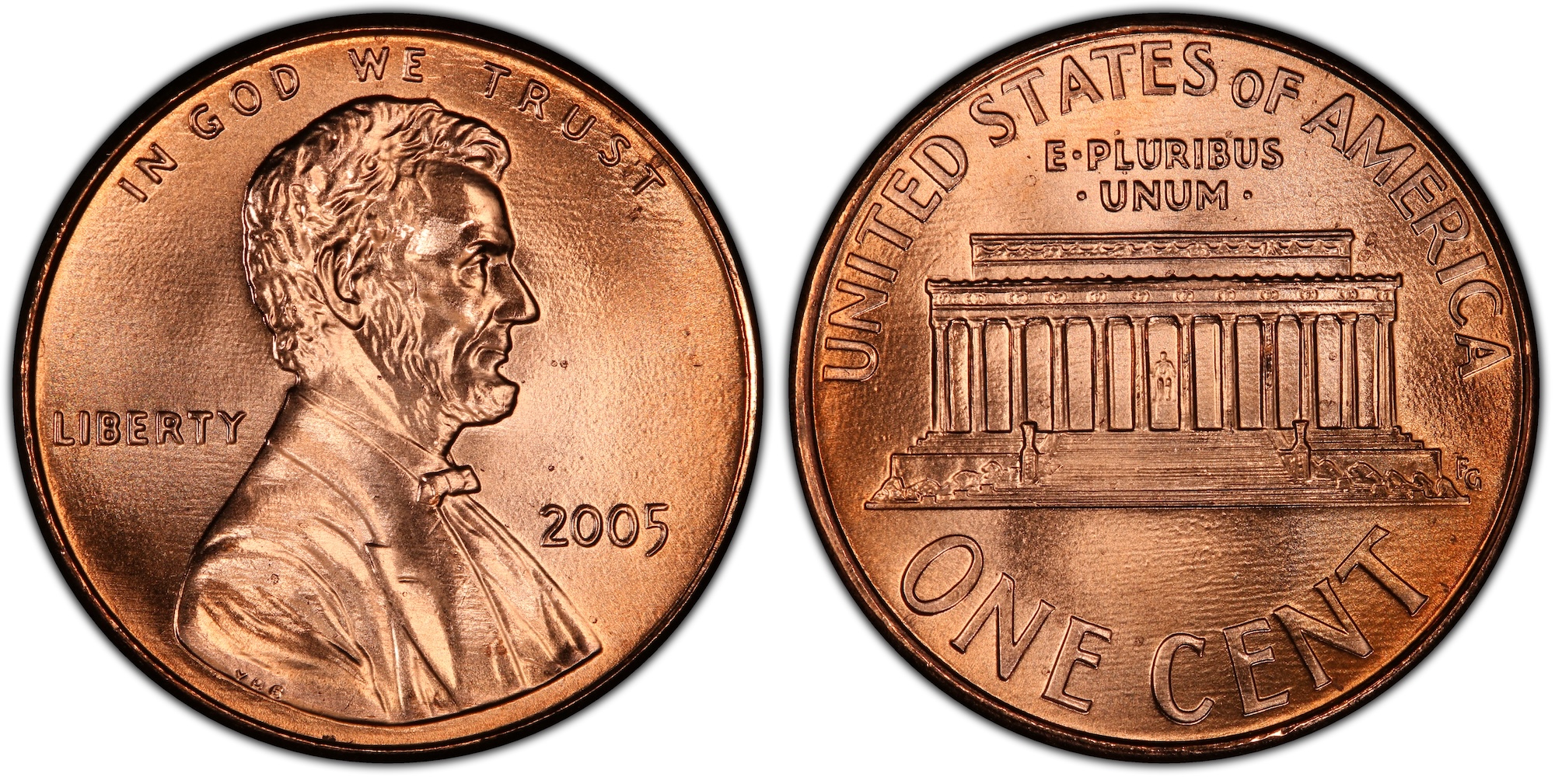
Trying to price an old Lincoln Cent by flipping through a price guide takes forever, and you can still get it wrong.
These apps let you snap a photo instead and get an answer in seconds.
Here are nine worth trying, starting with two that stand out.
1. CoinKnow — the deepest single-scan report for U.S. coins
Most beginners make the same mistake: they see a date and mintmark and assume that's the whole story.
CoinKnow is built to stop that mistake before it costs you money.
One scan gives you identification, a grading estimate, error detection, and a market price, all at once.
For U.S. coins, that is about as complete a picture as a single photo can give you.
It only works on U.S. coins, so foreign pieces are out of scope.
Like any camera-based tool, it depends on your photo - a blurry or badly lit shot will hurt the result.
The pricing side pulls from three sources updated every month: Heritage Auctions realized prices, PCGS price guides, and recent eBay sold listings.
After a scan, you can open eBay Sold Price Trends and click through to the actual listings behind those numbers.
A recent update added PDF and CSV export, so you can pull your scan history and collection data for insurance records or a dealer visit.
It's free to use with daily scans, on both iOS and Android.
Grab the iPhone versionScan your first coin on Android
2. Coin Value Checker — market tools first, with a few rough edges
Let's get the downsides out of the way first.
Coin Value Checker only covers U.S. coins, so it won't help with a foreign find.
Some users have reported occasional crashes when scanning several coins back to back.
The subscription pricing also isn't always clear upfront, so read before you tap "buy".
Now for what it actually does well.
This app leans hard into market intelligence: real-time price trend charts, alerts you can set for specific auctions, leaderboards to compare against other collectors, and a portfolio tracker that follows your whole collection's value over time.
That makes it a good fit for someone who treats coin collecting a bit like investing.
A newer addition shows eBay price references - actual completed sales, not theoretical book values.
That's a useful reality check against inflated price guide numbers.
It's free with daily scans, and it runs on both iOS and Android.
If you want identification plus serious market analytics - trend charts, auction tracking, and portfolio value in one place - this is the strongest option on this list for that job.
Try it on iOSFree on Google Play
3. Coinoscope — a fast way to put a name to a mystery coin
Coinoscope works best when you have no idea what you're even holding.
It's built around visual recognition, matching your photo against a large reference library to suggest what the coin might be.
That makes it especially useful for older or foreign coins where you don't even know the country of origin.
It suits curious first-time users more than serious collectors chasing exact grades or prices.
Once it gives you a match, you'll usually still want to confirm details and value elsewhere.
Think of it as a starting point rather than a full appraisal tool.
The honest limitation here is depth: identification is the focus, not detailed grading or market analysis.
If you just want a name for a mystery coin in a jar, it's a quick way to get one.
4. PCGS Photograde — a grading reference, not a price checker
PCGS Photograde is less about telling you what a coin is worth and more about helping you judge its condition.
It works as a visual grading reference, letting you compare your coin against photo examples across the grading scale.
That's genuinely useful once you already know what coin you're holding and want a sense of its grade.
Collectors who are learning to grade by eye tend to get the most out of it.
If you want to see how it stacks up against other scanning tools, a side-by-side comparison of scanning apps is worth a look.
The tradeoff is that it won't hand you a dollar figure or run a full identification for you.
It's a companion tool, best paired with something that handles pricing.
Treat it as a grading aid rather than an all-in-one solution.
5. Colnect — built for cataloguing, not quick valuations
Colnect is really a catalog and swap platform that happens to include coins alongside stamps and other collectibles.
It works well if you want to track exactly what you own and compare it against what other collectors have.
The community angle stands out - you can connect with other collectors to trade or fill gaps in a set.
It suits organized collectors who enjoy record-keeping as much as the hunt itself.
It isn't built around instant photo-based valuation, so don't expect a snap-and-price experience.
If pricing is your main goal, you'll likely want to pair it with a dedicated valuation app.
For inventory and trading, though, it does a thorough job.
It rewards patience more than speed.
6. CoinManage — a desktop-style tool for serious record keeping
CoinManage feels more like collection management software than a quick scanning app.
It's aimed at collectors who want detailed inventories, complete with notes, purchase history, and organized sets.
That level of detail makes it a good fit for people managing a large or long-term collection.
It's less about instant photo identification and more about long-term organization.
If you already know your coins well and just need a system to track them, it can do that job nicely.
Casual users looking for a fast answer on a single coin may find it more involved than they need.
The learning curve is a bit steeper than a simple scan-and-go app.
Once set up, though, it rewards you with a thorough personal archive.
7. Coin ID Scanner — a straightforward camera-first option
Coin ID Scanner keeps things simple: point your camera, get a suggested identification.
It works well as a quick first step when you've found a coin and want a general sense of what it is.
Casual users and beginners tend to get the most value from its straightforward approach.
It's less suited to collectors who need precise grading or deep price history.
Like most camera-based apps, results depend heavily on lighting and photo clarity.
A shaky or dim photo will often give you a shaky or dim answer.
It works best as a quick screening tool before you dig deeper elsewhere.
For a fast first guess, it does the job.
8. Numista — the community reference for world coins
Numista is built around a huge, community-maintained catalog covering coins from around the world.
It suits collectors who deal with foreign or older coins that other apps might not recognize.
The catalog depth is its real strength, letting you dig into variety and country-specific details.
It also lets you track your own collection alongside browsing the catalog.
It's less focused on instant market pricing and more on identification and reference.
Because it relies on community contributions, coverage and detail can vary by coin.
For research and cataloguing world coins, though, it's hard to beat.
Pair it with a pricing app if value is your main concern.
9. Coin Collection Manager — simple inventory tracking
Coin Collection Manager focuses on the basics: logging what you own and keeping it organized.
It suits collectors who want a straightforward inventory without a lot of extra features.
You can typically log details like date, mint, and condition for each coin.
It works well as a personal record rather than a valuation tool.
If you're after live pricing or grading, this isn't where you'll find it.
Its simplicity is also its main limitation - it won't do the analysis heavier apps offer.
For someone who just wants a tidy list of their collection, it gets the job done.
Think of it as a digital ledger, not a research tool.
No single app does everything, so most collectors end up using two or three together.
Start with one that matches what you need most: identification, grading, or record-keeping.
From there, add tools as your collection grows.
FAQ
Do these apps work on coins other than U.S. coins?
It depends on the app.
CoinKnow and Coin Value Checker focus only on U.S. coins.
Apps like Numista and Coinoscope cover a much wider, international range.
How accurate is a photo-based coin value estimate?
Accuracy depends heavily on photo quality, lighting, and the coin's condition.
Blurry or poorly lit photos will almost always produce weaker results.
Cross-checking against real sold listings, like eBay data, helps confirm an estimate.
Do I need more than one coin app?
Many collectors do use more than one, since each app tends to specialize.
One might handle identification and pricing, while another focuses on grading or cataloguing.
Combining a couple of tools usually gives a fuller picture than relying on just one.